

Healing with a material made from your own blood sounds almost too good to be true. For many patients, platelet-rich fibrin is a helpful option, but "helpful" and "right for everyone" are different things. If you are considering PRF in Nashville, it might be useful to know who tends to benefit, who needs a closer look first, and what to ask.
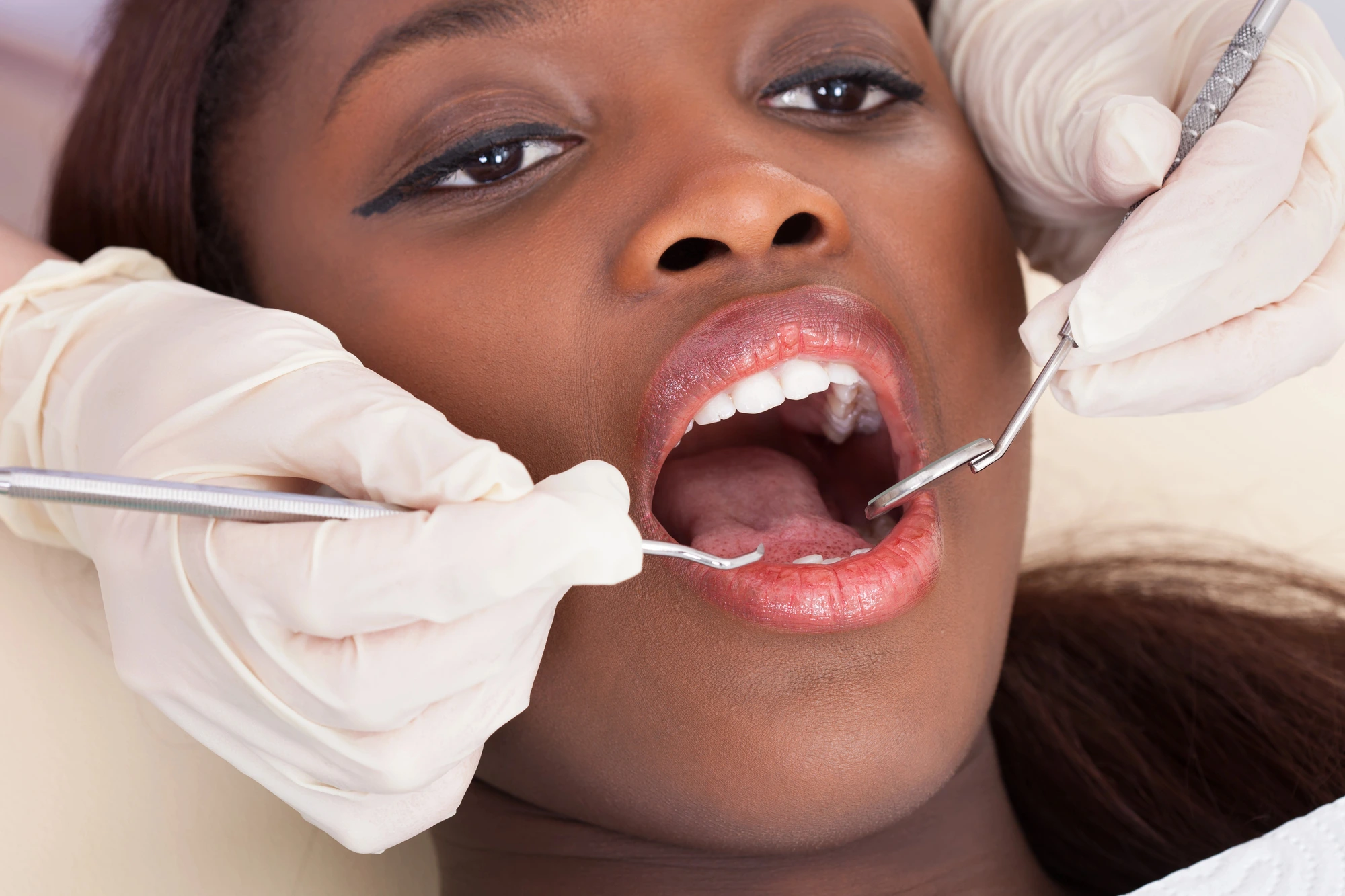
What PRF Is (and Isn't)
PRF is made by drawing a small sample of your blood and spinning it in a centrifuge, without added anticoagulants. The resulting material can be applied as a membrane, a clot, or a liquid during treatment.
A 2026 scoping review of 19 human studies found that PRF most often appeared to help during the first weeks of healing, but longer studies did not consistently show better bone levels or implant survival. The authors describe it as a promising optional adjunct, not a proven routine requirement.
Who May Be a Good Candidate
PRF tends to come up when faster early healing would be especially helpful. Good candidates often include:
- Patients having implants, grafting, or other surgical procedures
- People in generally good health who are fit for oral surgery
- Patients comfortable with a small blood draw
- Patients with realistic expectations about what PRF can do
Your periodontist decides case by case. PRF is often discussed alongside dental implants and bone grafting, among other procedures.
When PRF May Need Extra Review
Some situations call for a conversation first, not an automatic no. Your periodontist may want to review:
- Bleeding or platelet disorders
- Blood-thinning medications
- Diabetes or other conditions that slow healing
- Heavy smoking
- Active infection at the surgical site
Blood thinners do not necessarily rule PRF out. A systematic review of 11 studies found that PRF supported hemostasis after extractions in patients taking anticoagulant or antiplatelet medication, but decisions about your medication always belong with your physician. PRF also cannot make up for inadequate implant stability, poor positioning, or an untreated infection.
If Needles Make You Nervous
Because PRF starts with a blood draw, anxiety about needles is worth mentioning at your consultation. Ask about sedation options that can make the visit more comfortable.
Setting Realistic Expectations
PRF is an adjunct, not a substitute for sound surgical technique. It may help the early weeks of healing, but long-term success depends on bone quality, gum health, daily hygiene, and the quality of the treatment itself. Ask your surgeon exactly how PRF fits into your plan, and what the research can and cannot promise.
Questions to Ask Your Periodontist
Bring these to your consultation:
- Is PRF recommended for my procedure, and why?
- How does my medical history affect whether I am a candidate?
- How is the blood drawn and prepared?
- What are the limits and risks?
- How will it change my healing plan?
Frequently Asked Questions
Is PRF made from my own blood?
Yes. It is prepared from a small sample of your blood drawn at your appointment.
Will PRF guarantee my implant succeeds?
No. It may help early healing, but long-term success depends on many factors.
Does insurance cover PRF?
Coverage varies, so ask the office to review your benefits before treatment.

Curious Whether PRF in Nashville Is Right for You? Schedule Your Consultation
If you are weighing PRF as part of your implant or grafting plan, Dr. Elliott Deweese and our team at Nashville Dental Implants can help you decide. Schedule your appointment or call (615) 316-9872.
Want to read more from Nashville Dental Implants?
Save us as a Preferred Source!


