

A healthy smile depends on more than just teeth. The jawbone plays a critical role in supporting oral function, facial structure, and long-term dental stability. For patients exploring bone grafting in Nashville, understanding how bone regeneration works can bring clarity and confidence. Bone loss often occurs after tooth loss, gum disease, or trauma, and without proper support, it can limit future treatment options. Modern dentistry offers effective ways to rebuild bone and create a stronger foundation for lasting oral health.

How Bone Regeneration Supports Oral Health
Bone regeneration focuses on restoring lost jawbone so the mouth can function properly again. This process is often recommended when bone volume has decreased and needs reinforcement before restorative treatment. By rebuilding the foundation, patients can protect their oral health and improve treatment outcomes.
Why Bone Loss Happens Over Time
Jawbone loss can occur for several reasons. Missing teeth remove natural stimulation that keeps the bone strong. Gum disease can break down bone tissue. Injury or long-term denture use may also contribute to deterioration. When bone loss progresses, remaining teeth can shift, facial structure may change, and chewing can become less efficient. Addressing bone loss early helps prevent these issues from worsening.
How Bone Grafting Encourages Regrowth
Bone grafting uses specialized materials to support the body’s natural ability to regenerate bone. The graft acts as a framework that allows new bone cells to grow and strengthen the area over time. As healing progresses, the jaw regains density and stability. This process creates a healthier environment for surrounding teeth and prepares the mouth for future restorative procedures.
Supporting Dental Implants and Restorations
One of the most common reasons for bone regeneration is to prepare for dental implants. Implants require strong bone support to remain secure and functional. Bone grafting helps ensure that implants have a stable foundation, improving longevity and comfort. Even when implants are not immediately planned, bone regeneration preserves options for future care.
Maintaining Facial Structure and Balance
The jawbone supports facial shape and alignment. When bone loss occurs, the lower face may appear sunken or uneven. Bone regeneration helps maintain facial contours and balance by restoring underlying support. This contributes to both functional health and a more natural appearance.
Long-Term Benefits for Oral Stability
Rebuilding bone helps reduce stress on surrounding teeth and tissues. Stronger bone can improve bite alignment and chewing efficiency while lowering the risk of further bone deterioration. Patients who address bone loss proactively often experience fewer complications and more predictable outcomes over time.
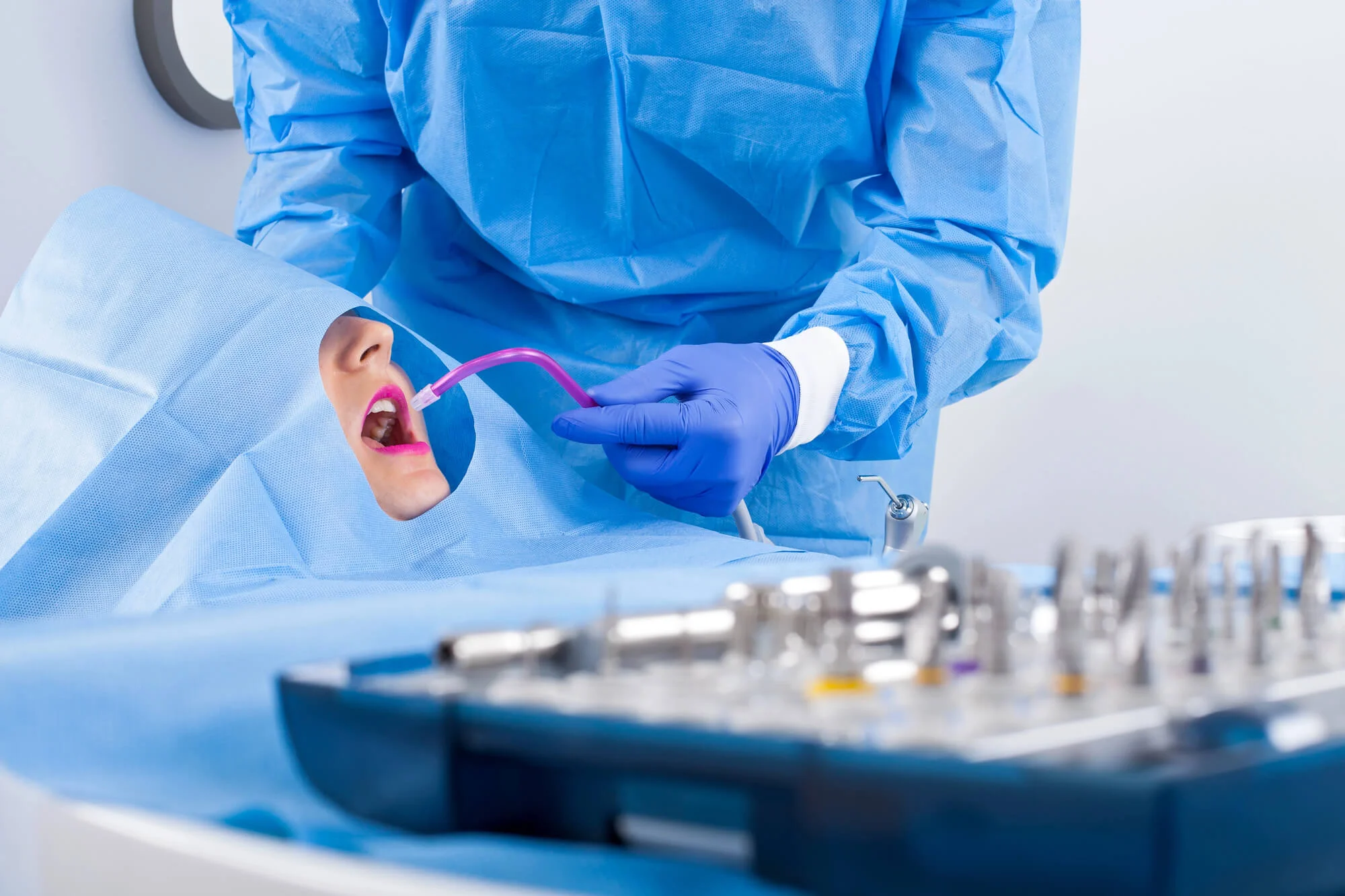
Choosing Bone Grafting in Nashville for Lasting Oral Strength
For individuals considering bone grafting in Nashville, this treatment offers a proactive way to protect oral health and restore strength beneath the surface. Bone regeneration is not just about preparing for future procedures. It plays an important role in preserving jaw stability, supporting overall oral function, and preventing additional complications.
Each treatment plan is personalized based on bone health, dental goals, and long-term needs. With proper care and follow-up, regenerated bone can provide lasting support for restorations and everyday comfort. Addressing bone loss early creates a solid foundation for healthier smiles and improved confidence.
If you are concerned about bone loss or planning future dental treatment, the team at Nashville Dental Implants can help you explore your options. Schedule a consultation to learn how bone regeneration can support a stronger, healthier smile.


